Cellulose Pasting paper
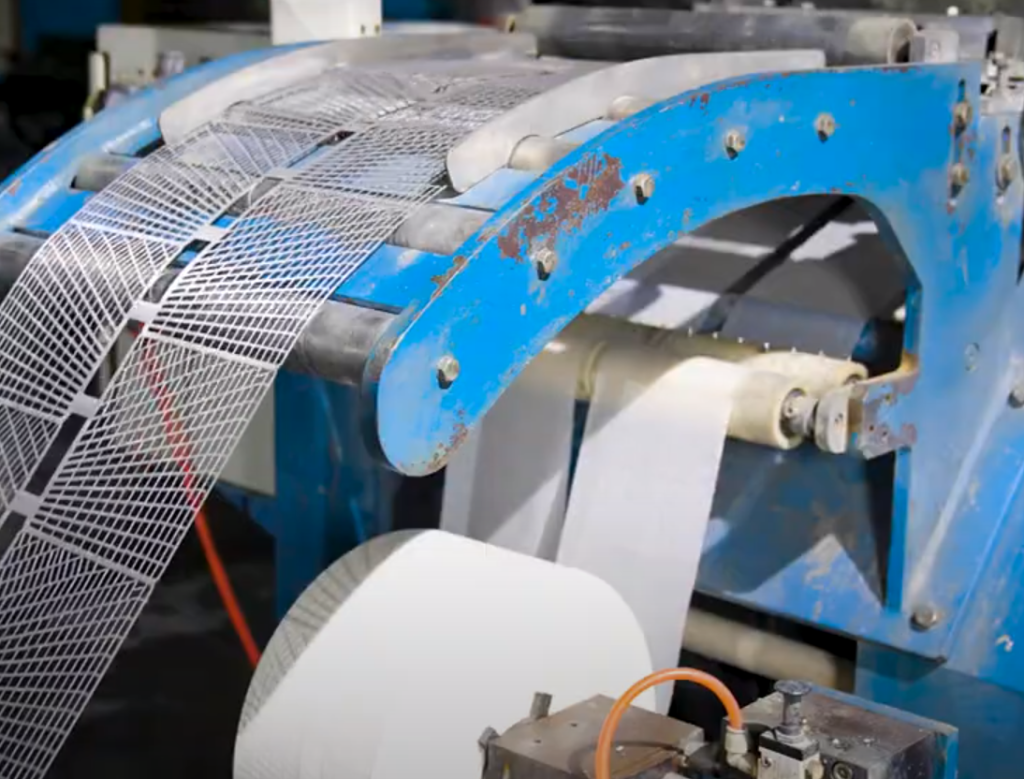
Cellulose Pasting paper
- It covers the pasted grid to prevent sticking, keep the surface smooth, and gradually decompose during formation without residue.
- Available in 10, 12.5, 14 g/m², with thickness of about 27–35 μm.
--It offers high dry tensile strength (≥0.6 kN/m), good electrolyte absorption, and excellent flexibility for continuous pasting and winding.
- Basis weight, thickness and tensile strength can be adjusted to match different machines and processes.
Cellulose Pasting paper
Cellulose pasting paper is a specialty paper used in the plate pasting process of lead-acid battery manufacturing. Its main function is to cover the surface of the pasted grid, prevent paste adhesion, keep the surface smooth, and gradually decompose or bond with the plate before or during formation. Below are its main features:
Raw Material and Structure
- Made mainly from cellulose fibers ; it is a natural cellulose paper.
- Basis weight is usually very low, with common specifications of 10, 12.5, 14 g/m², and thickness of about 27–35 μm.
- Loose structure with high porosity and a certain surface roughness.
Key Properties
- High strength: Cellulose fibers bond well, and dry machine-direction tensile strength typically reaches 0.6 kN/m or above (about 9 N/15 mm), with certain wet strength as well, so it is not easy to break during machine operation.
- Good liquid absorption and conformity: It can absorb part of the electrolyte and conform tightly to the grid and paste, providing a smooth surface.
- Good flexibility: It adapts to continuous pasting and winding processes and is not prone to brittleness or cracking.
- Decomposes/dissolves in the battery: It gradually softens and decomposes in the electrolyte environment, leaving no residue that would affect battery performance.
Application
- Lead-acid battery (including AGM battery) grid pasting lines, used with pasting machines.
- Sensitive to equipment and process: pasting machine speed, tension and paste formulation vary by country and customer, so exported products often need their basis weight, thickness and tensile strength adjusted to match customer equipment and processes.
Selection Considerations
- Whether basis weight and thickness match the customer’s existing equipment
- Whether dry/wet machine-direction (MD) and cross-direction (CD) tensile strength meet the requirements for paper-break risk
- Whether acid absorption and decomposition behavior are compatible with the customer’s formation process
- Surface roughness and sticking tendency
Product Feature

High air permeability
This is a short description elaborating the service you have mentioned above.

Better adhesion
This is a short description elaborating the service you have mentioned above.

Customized
Customized basis weight and thickness
Parameter
We can customize and develop products at 10, 12.5 and 14 g/m² cellulose pasting paper, with a thickness of about 27–35 μm. Currently, 80% of our customers use the 12.5 gsm product, which is widely praised for its excellent air permeability and outstanding adhesion.
model | unit | Data range |
Width | mm | w±0.8 |
Thickness | μm | 27μm-37μm (0.027-0.037mm) |
Basis weigh | g/m2 | 12.05-13.55 |
Tensile strength | dry type N/mm,MD | >0.6/>0.8 |
Wet type N/mm,MD | >0.17 | |
Moisture Content | % | ≤8 |
ash content | % | <5 |
Air permeability | CU | 22000cu–25000cu |
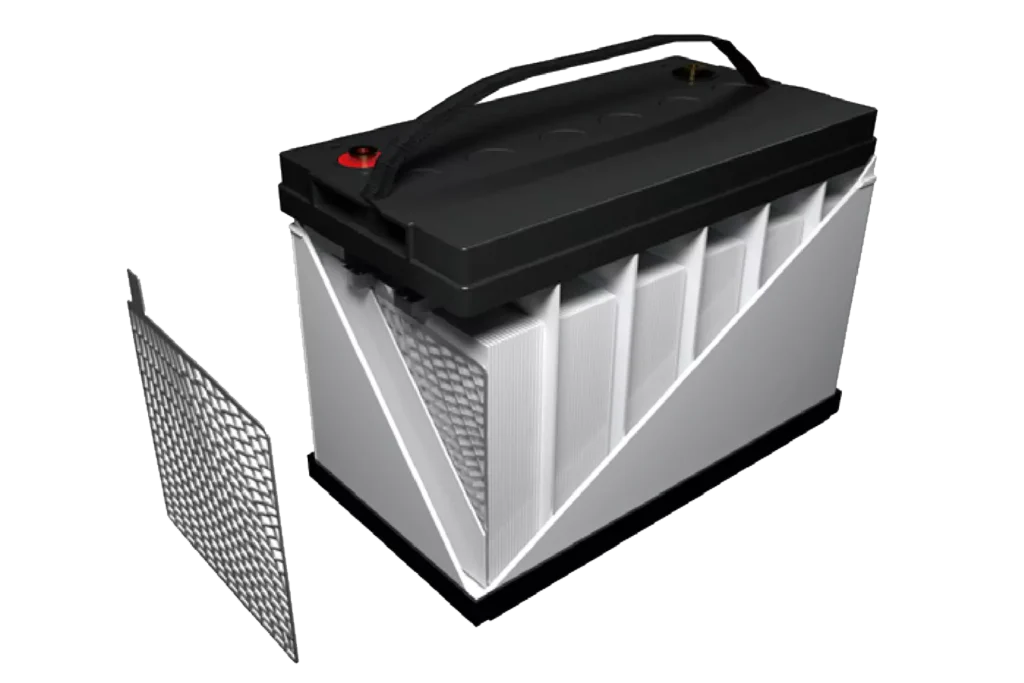
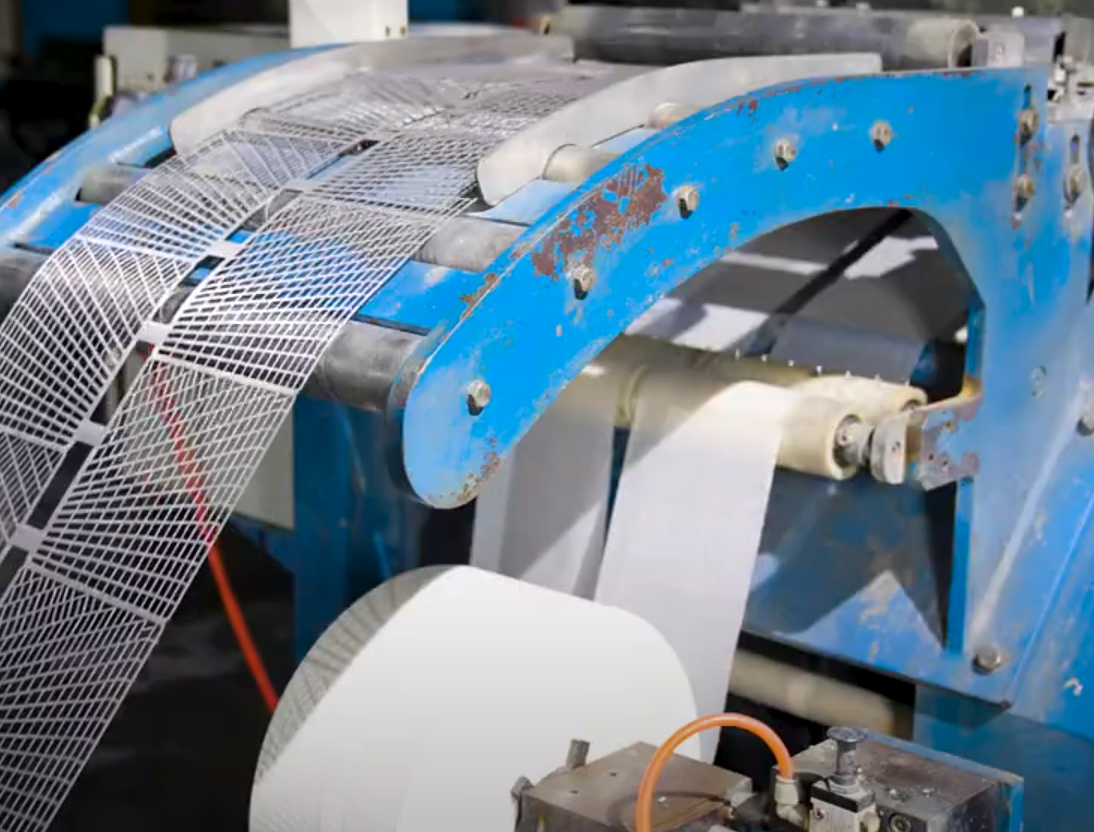
Product running video on machine
Our Costumer Say
This is genuine customer feedback, not AI-generated.
Progress of work:
A pallet of a pilot batch of paper with dimensions (106MM – width, 400mm – outer diameter,75mm *inner diameter of the mounting ring) was received at the spreading site, the experimental paper was used for spreading positive and negative calcium die-cut electrode plates. During the pasting of the electrode plates, the paper lay flat on the smeared calcium tape without
mixing or skewing.
No defects were detected during the conversion and assembly of the blocks, and the paper
did not peel off from the surface of the plates. Using these plates, the following data were collected
serial battery.
The battery formation and further autopsy were carried out for the presence of residual
The paper on the surface of the plate has dissolved after the initial charge. By
When processing the battery, there is no cotton-like layer resembling the sulfation
of the plates when measuring the density of the electrolyte,
Сonclusion:
Pasty paper produced by Sinokan,
The name of the sample (SKX125) with a density of 12.5 g m2 can be used for pasting calcium die-cut electrode plates.
Additional information: the battery paper is single‑layer, the roll diameter is 450 mm, and the weight is 7.5 kg.
During the testing of the “experimental” battery paper, electrode plates of the Pn“+” type were manufactured.
During the coating and dissolution testing, it was noted that:
– The battery paper is well centered and fits snugly against the surface of the strip of the sieve belt with the paste applied to it.
In total, about 65,000 plates were coated.
After the “ripening and drying” operation, the frames with plates will be transferred to the assembly area for further work.
Conclusion
During the coating process, the battery paper showedsatis factoryresults: good centering and adherence to the surface of the strip of perforated tape with the applied paste were ensured; no tears were observed at the end of unwinding;